Decennial liability in UAE construction: who is on the hook for defects a decade after handover?
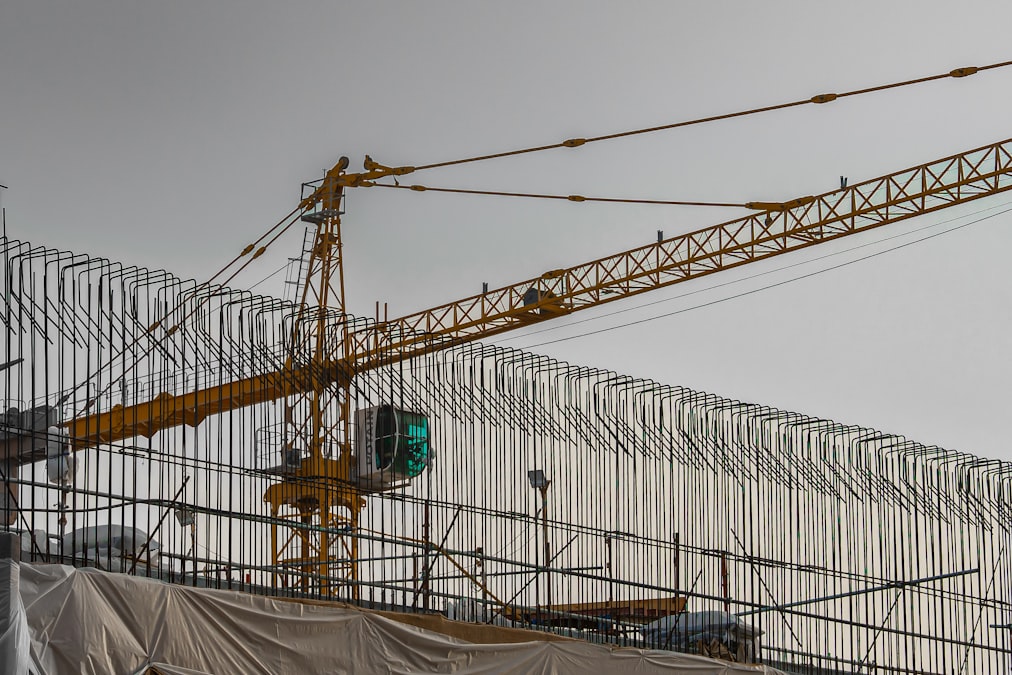
A structural crack appears in a Dubai tower nine years after completion. The contract has long expired, the contractor has changed name twice, but the ten-year decennial liability under the UAE Civil Code is very much alive, and it cannot be contracted away.
The question every developer and owners' association eventually asks
When a building shows structural distress years after practical completion, the first question is rarely about the contract's warranty clause. It is whether decennial liability under the UAE Civil Code applies, and if so, who pays. This is the single most consequential, and most misunderstood, liability regime in UAE construction law, because unlike almost every other contractual right, it cannot be excluded, capped, or waived by agreement.
The statutory basis
Article 880 of Federal Law No. 5 of 1985 (the Civil Code) imposes joint liability on the contractor and the design engineer (or architect, where separately engaged) for the total or partial collapse of a building, or for defects that threaten its structural stability or safety, for a period of ten years from the date of handover. This liability is triggered even where the defect stems from the land itself, and even where the employer approved the design or accepted the works without reservation. It is a rule of public policy, not a default contractual term, and any clause purporting to reduce or exclude it is void.
This matters enormously in practice: a Dubai FIDIC-based contract that limits liability to a defects liability period of twelve or twenty-four months, or that caps aggregate liability at contract value, does not touch decennial liability at all. The two regimes run in parallel.
What counts as a "structural" defect
The threshold is deliberately high. Cosmetic cracking, finishing defects, MEP snagging or waterproofing failures that do not endanger the stability of the building generally fall outside Article 880 and remain governed by ordinary contractual warranty and general tortious principles. What triggers decennial liability is a defect that goes to the load-bearing integrity of the structure, foundations, or overall safety of the building, such as foundation settlement, structural cracking in columns or slabs, or facade failure that threatens collapse. UAE courts have historically taken a fact-specific approach, relying heavily on independent structural engineering reports commissioned during the case, so the quality of expert evidence at the outset often determines the outcome.
A defects liability period in a FIDIC contract expires. Decennial liability under Article 880 does not care, and it cannot be contracted away.
Who can sue, and who can be sued
The claimant is not limited to the original employer. Because the liability is described in the Civil Code as running in favour of the owner and, by extension, successors in title, a subsequent purchaser of a unit or a building, or an owners' association acting on behalf of unit owners in a strata scheme, can generally bring a decennial claim even though it had no direct contractual relationship with the contractor or engineer. This is the practical reason decennial claims surface years later and often involve parties who never negotiated the original construction contract.
On the liability side, both the contractor who executed the works and the engineer or architect who designed or supervised them are jointly and severally liable, meaning the claimant can pursue either or both, and it falls to the defendants to apportion responsibility between themselves in a subsequent contribution claim.
When does the ten years start running
The clock starts from the date of handover, which in practice usually means the date of the taking-over or completion certificate, or in the absence of a formal certificate, the date the employer took actual possession and beneficial use of the building. Getting this date right is critical: a claim brought after ten years from handover, even by one day, is generally time-barred, so early and precise documentation of the handover date is essential for both sides.
Practical steps for owners, developers and contractors
- Document the handover date formally and unambiguously, ideally with a signed taking-over certificate referencing the applicable building.
- Commission an independent structural condition survey promptly once a defect is suspected, before any remedial works disturb the evidence.
- Contractors and engineers should maintain professional indemnity and decennial liability insurance for the full statutory period, since corporate restructuring or dissolution does not extinguish the underlying claim against a solvent insurer.
- Developers should not assume a contractual liability cap or a short defects notification period closes the book on structural risk.
Key instruments referenced: UAE Civil Code, Federal Law No. 5 of 1985 (Article 880 and related provisions on decennial liability); standard FIDIC-based construction contracts as commonly amended for UAE use. General information, not legal advice.