Buying a AED 100m-plus Dubai villa: should title sit in your name or an offshore company?
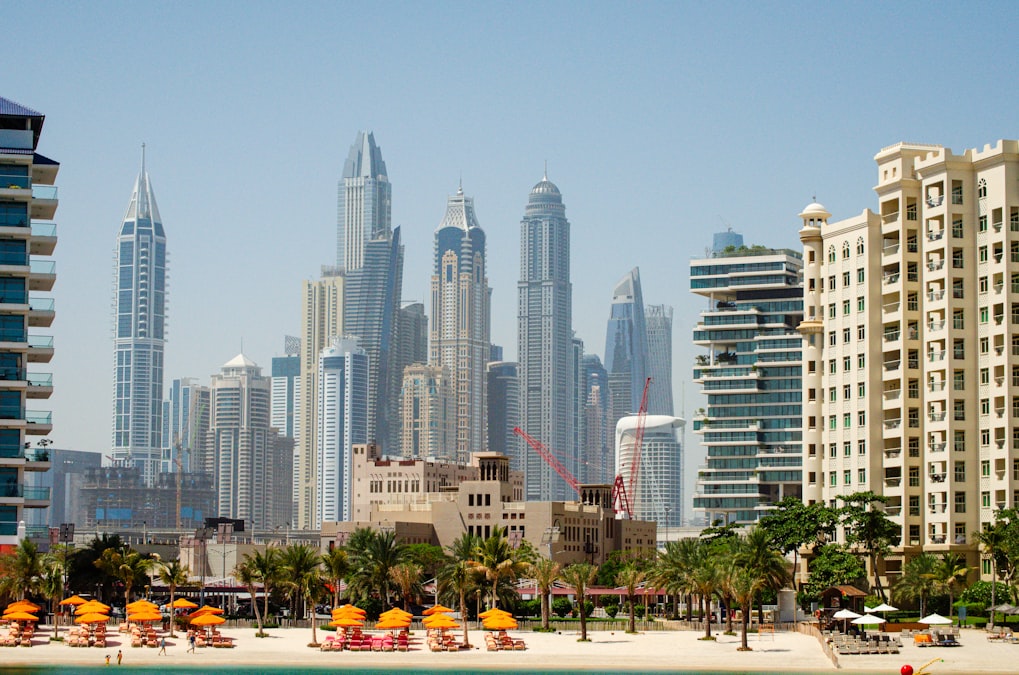
Villa Avatea's ranking among Dubai's top transactions puts a structuring question back on the table for every ultra-prime buyer: hold title personally, or through a RAK ICC or JAFZA offshore vehicle? The answer turns on succession planning, confidentiality and financing, not just stamp duty.
Why the structuring question matters at this price point
When a single villa transaction makes Dubai's top-deals list, it typically involves a buyer for whom the Dubai Land Department (DLD) transfer fee, financing terms and estate planning outcome are all material sums. At AED 50 million and above, the choice between taking title in an individual's name or through a corporate vehicle is rarely about tax (Dubai has no property tax and no capital gains tax on individual disposals). It is about succession, confidentiality and control.
The three routes DLD actually permits
- Direct individual ownership. Freehold title registered to the buyer personally in designated freehold areas. Simplest route, but the asset falls into the buyer's estate on death and, absent a valid will, UAE forced heirship rules can apply to non-Muslim expatriates unless a DIFC Wills Service Centre will (or the equivalent Abu Dhabi Judicial Department register) is in place.
- UAE onshore company ownership. A mainland or free zone UAE company holds title. This exposes the property to the company's corporate tax position and to UAE corporate insolvency rules if the company holds other liabilities.
- Offshore holding company (RAK ICC or JAFZA offshore). The most common structure for trophy villas. A RAK International Corporate Centre or JAFZA offshore company, itself often owned by a trust or foundation, holds the DLD title. Shares in the offshore company, not the real estate directly, pass on death or sale.
Why buyers choose the offshore route
Three practical drivers recur in advisory work on transactions of this size:
- Succession without probate delay. Transferring shares in an offshore holding company to heirs or a trust avoids the UAE probate process that direct real estate ownership can trigger, and sidesteps forced heirship exposure for non-Muslim owners who have not executed a compliant will.
- Confidentiality. DLD's Oqood and title registers are not fully public in the way some jurisdictions' land registries are, but a corporate holding structure adds a further layer between the beneficial owner's identity and any counterparty conducting due diligence, subject always to UAE beneficial ownership disclosure obligations to the registrar.
- Simplified future disposal. Selling the offshore company's shares, rather than re-registering title at DLD, can reduce transaction friction and the 4 per cent DLD transfer fee is generally still payable at the point title changes hands or when an equivalent transfer registration is triggered, so this saving is more limited than buyers sometimes assume and needs verifying deal by deal.
The DLD transfer fee bites at title registration either way: the real saving from an offshore structure is in succession and confidentiality, not stamp duty.
What DLD requires for corporate title
DLD accepts registration in the name of an offshore or free zone company provided the vehicle is on DLD's approved registrar list (RAK ICC and JAFZA offshore companies both qualify), the company provides a certificate of incumbency and good standing, and a properly authorised signatory executes the sale and purchase agreement. Financing a corporate-held villa is more restrictive: UAE banks generally require additional security, personal guarantees from the ultimate beneficial owner, and closer scrutiny of the corporate structure before extending a mortgage, which is why many trophy purchases at this level are cash transactions.
The practical checklist before signing
- Decide the holding structure before the reservation agreement is signed; converting from personal to corporate title after exchange triggers a second transfer and fee.
- If using an offshore vehicle, confirm its good standing and beneficial ownership register are current with RAK ICC or JAFZA before DLD will register title.
- Execute a DIFC will (or equivalent) covering both direct real estate and company shares if any part of the structure remains in the buyer's personal name.
- Confirm with the developer or seller's conveyancer whether any NOC or service charge clearance is required before DLD will process a corporate transfer.
Key references: Dubai Land Department registration requirements for corporate title; RAK International Corporate Centre (RAK ICC) and JAFZA offshore company regimes; DIFC Wills Service Centre. This is general information, not legal advice.